
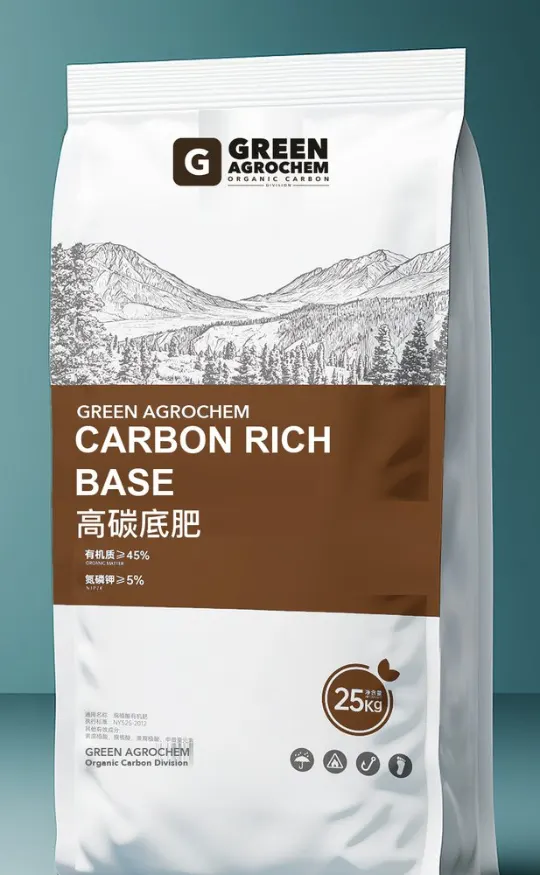
Base fertilizer
Carbon Rich Base Fertilizer
Pre-planting base application to rebuild organic matter and loosen compacted soil.
OM ≥ 45% · NPK ≥ 5%25 kg
Organic Carbon Division of GREEN AGROCHEM
Carbon fertilizers built on humic and lignin-based carbon to return stable organic carbon to intensively farmed land, with soil-carbon knowledge for growers, distributors and fertilizer makers.
Why soil carbon
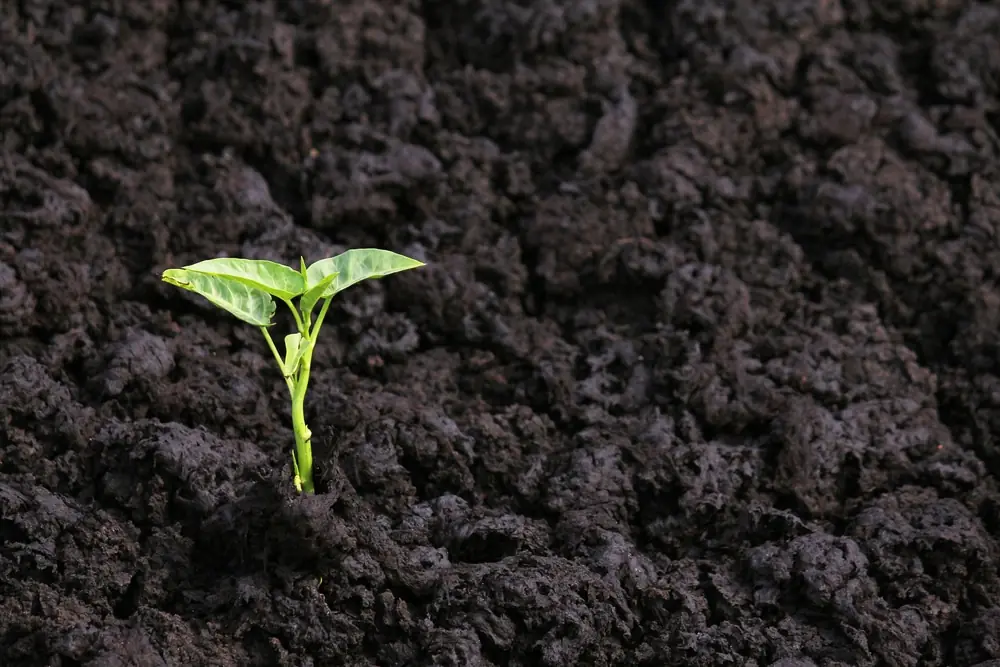
Soil organic carbon (SOC) is the carbon held in humified organic matter. It holds water, buffers pH, keeps nutrients in reach of roots and anchors soil structure season after season. Continuous cropping burns it down faster than residues can replace it.
Carbon fertilizers
Humic-acid organic fertilizers for base application, top dressing, fertigation and worn-out soils. Organic matter or humic acid ≥ 45% with NPK ≥ 5%.
Pre-planting base application to rebuild organic matter and loosen compacted soil.
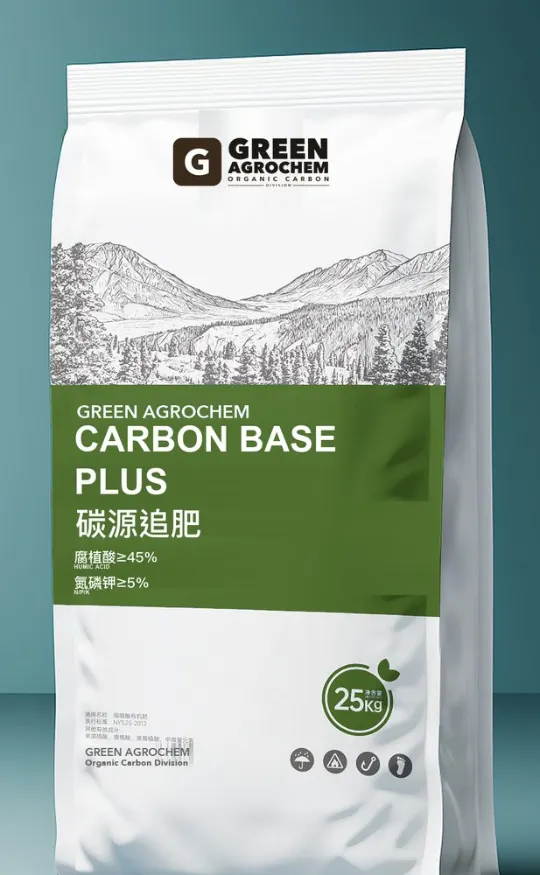
Humic-acid-rich top dressing that keeps nutrients available in the middle and late growth stages.
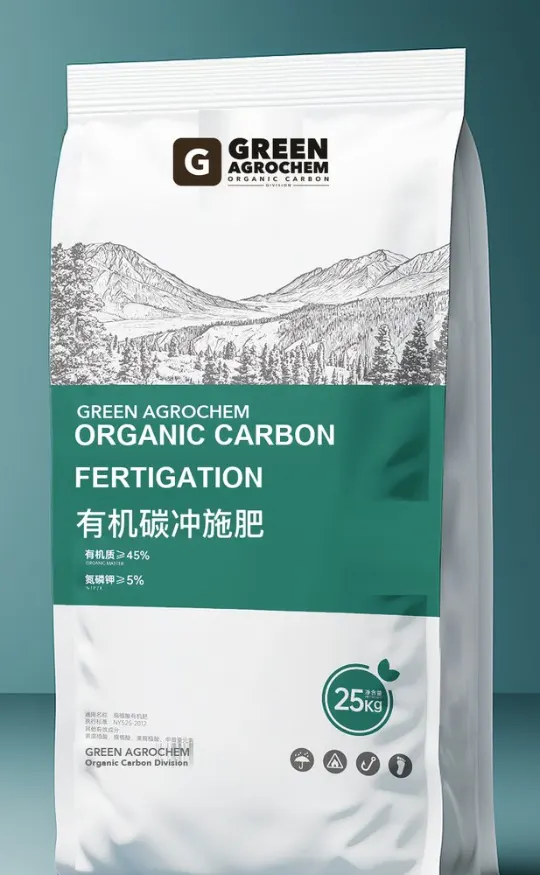
Soluble organic carbon for drip and flood irrigation, with fulvic acid.
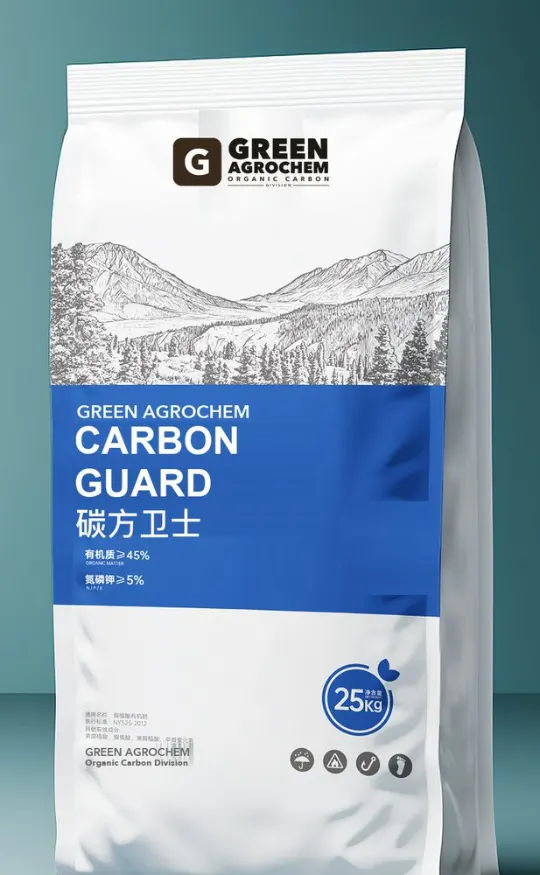
For fields with replant problems and continuous-cropping stress, used with base fertilizer.
Produced to the Chinese organic fertilizer standard NY 525. Dosage depends on crop and soil; see each product page.
Raw materials
Three families of natural carbon supply the humified and soluble carbon in our fertilizers. Each is also available as an ingredient for fertilizer makers.
Lignosulfonates and lignohumates from wood lignin: binders, dispersants and a soluble carbon source for granules and liquids.
Leonardite- and lignite-derived humic acid and its salts: the stable, humified carbon fraction.
Low-molecular-weight, fully soluble carbon for foliar sprays, fertigation and chelated nutrients.
Co-formulants: amino acids and seaweed extract for biostimulant blends.
Carbon farming · ESG
Reduced tillage, cover crops and organic carbon inputs, with a baseline and re-measurement so soil carbon gains can be documented.
Carbon farming guide →How organic carbon inputs fit environmental and supply-chain reporting, and which documents buyers can request.
ESG overview →Production & supply
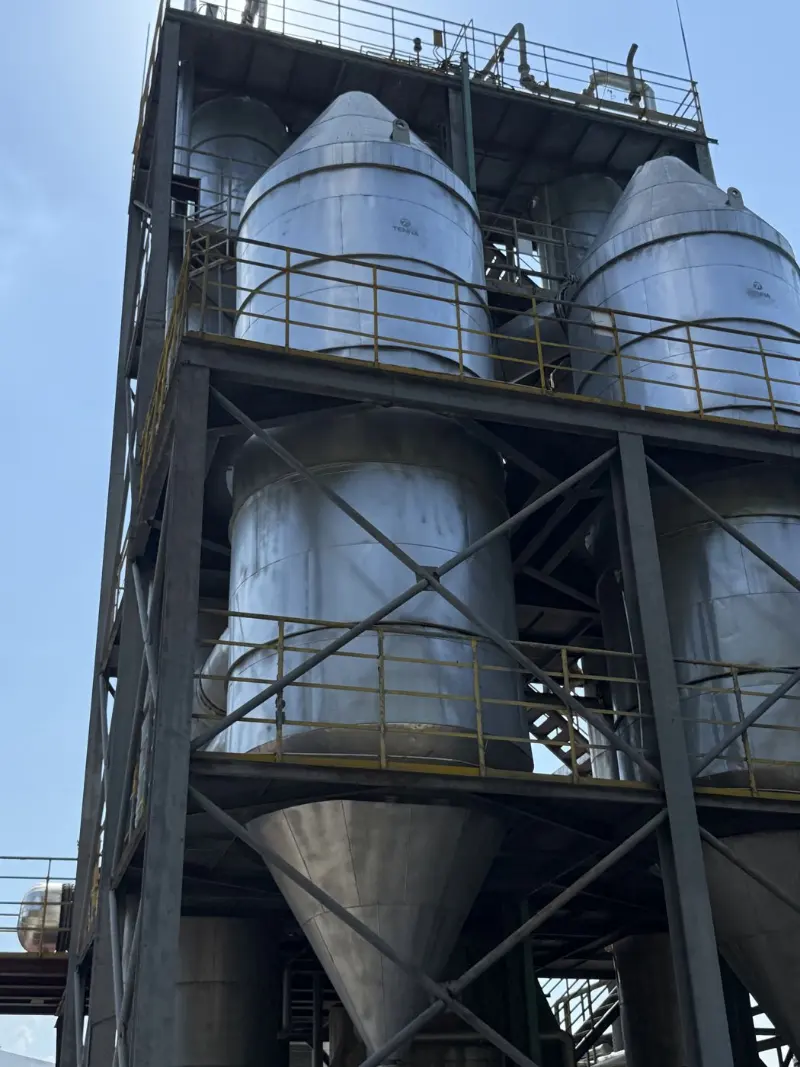
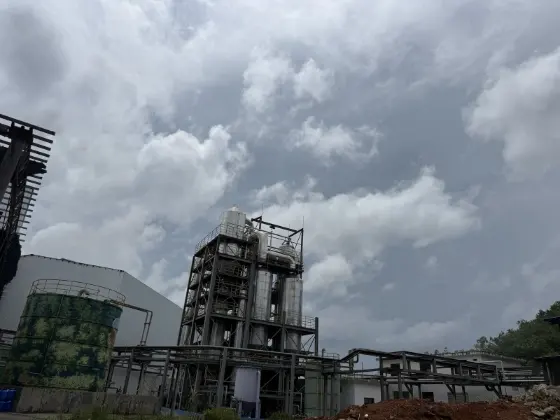
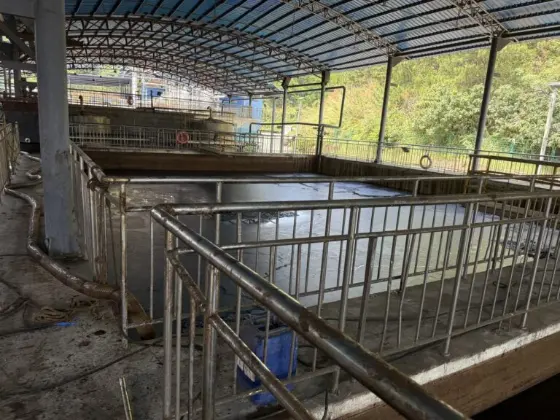
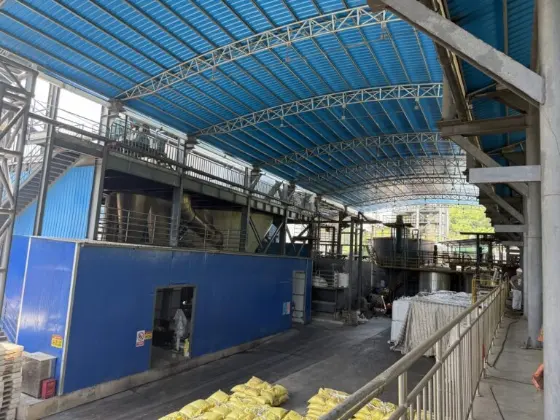
Group production, drying and packing for powders, granules and crystals.
Crop, soil type, current fertilizer programme and target market.
A suggested product with TDS, SDS and a representative COA.
Samples to compare against your current programme.
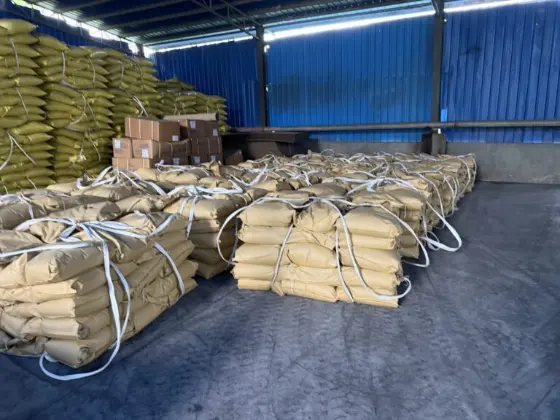
25 kg bags or jumbo bags; COA with every lot.
Knowledge
What SOC is, how it is measured and how to rebuild it.
Humic substancesOrigins, molecular size and how each acts in soil and on plants.
Raw materialsWhy leonardite is the main source of agricultural humic acid.
FAQ
An organic fertilizer whose main job is to return stable organic carbon to the soil, here from humic acid and lignin-based carbon, combined with a modest NPK content.
Soil organic matter is all organic material in the soil. Soil organic carbon is the carbon inside it, roughly 50–58% of organic matter by weight.
Yes. Humic acid, humates, fulvic acids and lignin-based ingredients are supplied to fertilizer makers with TDS, SDS and COA.
Yes. Tell us the crop, soil and current programme and we suggest a product and send samples.